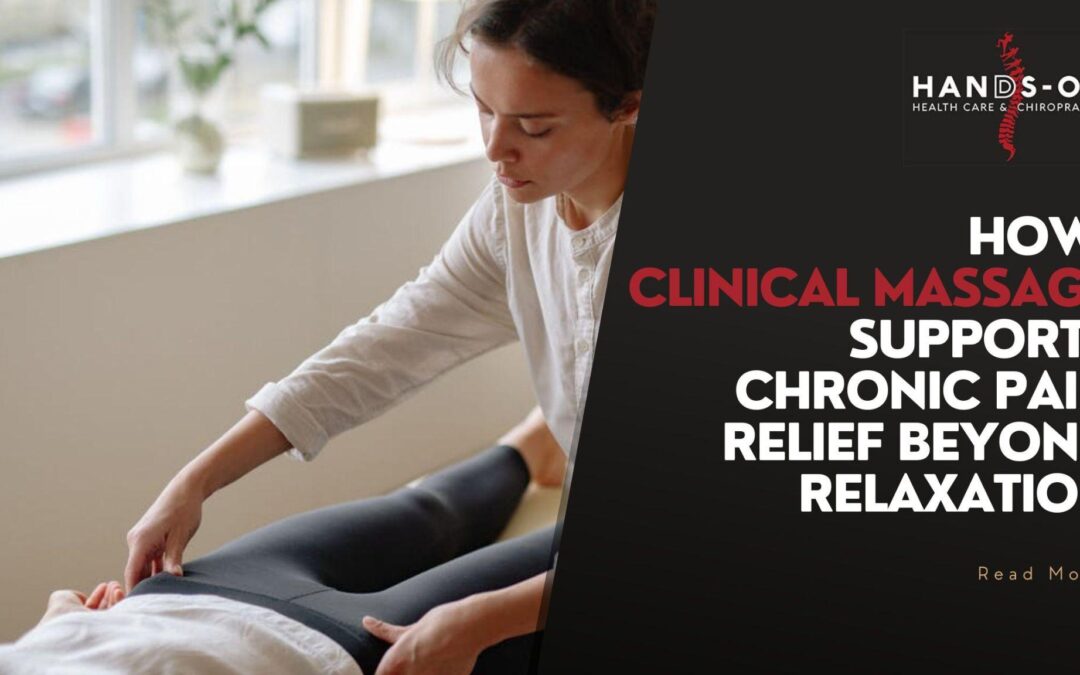
- Clinical massage is a focused therapy that targets the root causes of chronic pain by addressing soft tissue dysfunction, circulation, nerve irritation, and movement restrictions.
- When integrated with other therapeutic approaches, clinical massage can reduce pain intensity, improve mobility, and support long-term functional improvements for people living with persistent pain.
- Hands-On Health Care & Chiropractic offers specialized clinical massage and complementary therapies designed to support chronic pain relief as part of a full pain management and wellness program.
Chronic pain affects millions of people worldwide. Unlike acute pain, which signals tissue injury and resolves as healing occurs, chronic pain persists for months or even years. It often involves more than ongoing tissue irritation, including changes in nerve signaling, muscle tension patterns, and emotional responses to discomfort. For individuals living with chronic pain, the usual relaxation massage may feel inadequate when its effects are short-lived. This is where clinical massage offers a more meaningful and results-focused alternative.
Clinical massage focuses on specific therapeutic outcomes rather than comfort alone. The practitioner performs techniques that are guided by a detailed assessment of pain patterns, movement limitations, and tissue dysfunction.
At its core, clinical massage aims to influence muscles, tendons, ligaments, and fascia in ways that reduce mechanical irritation, improve circulation, and restore functional range of motion. For someone with conditions such as persistent low back pain, neck stiffness, postural strain, or repetitive strain injuries, these effects can be transformative.
Why Clinical Massage Goes Beyond Relaxation
Addressing Soft Tissue Restrictions
Individuals with chronic pain often develop persistent muscle tension and localized knots that restrict movement and compress nerves. These restrictions are not always relieved by gentle, non-targeted massage. Clinical massage, however, incorporates deep tissue techniques, myofascial release, and trigger point therapy designed to loosen tight structures and improve tissue quality. By doing so, it reduces mechanical stress on joints and connective tissue, often leading to long-lasting decreases in pain.
Trigger point therapy is particularly effective because it targets small, hyper-irritable areas within muscles that can refer pain to other parts of the body. For example, tight muscles in the shoulders can refer pain down the arm or into the upper back. By applying focused pressure and release techniques, practitioners can reduce this referred pain and enhance the range of motion.
Enhancing Circulation and Tissue Nutrition
Poor circulation accompanies chronic pain conditions. When blood flow is restricted, muscles and connective tissues do not receive the oxygen and nutrients they need to heal effectively. Clinical massage techniques stimulate blood flow to affected regions, promoting tissue health and accelerating recovery from chronic irritation. Improved circulation also helps clear metabolic waste products that contribute to soreness and discomfort.
This enhanced circulatory effect is more than a temporary feel-good response. Over time, improved tissue nutrition supports the body’s natural healing processes, making muscles more resilient and reducing sensitivity to pain triggers. Patients often report that this aspect of clinical massage helps them move with less stiffness and recover more quickly after physical activity.
Reducing Inflammation and Neuromuscular Strain
Chronic pain is often associated with low-grade inflammation and heightened sensitivity in the nervous system. Clinical massage helps modulate inflammatory responses by reducing tissue tension and encouraging lymphatic drainage, which removes excess fluid and inflammatory by-products from injured areas. This can lead to measurable reductions in swelling, nerve irritation, and muscle guarding.
Neuromuscular strain can also be eased through focused manual therapy. Targeted massage decreases the intensity of neural firing in hypersensitive areas, breaking the feedback loop that often sustains chronic pain. Patients frequently describe this as a sense of “unwinding” or deeper loosening in areas that have felt locked for years.
How Clinical Massage Complements Other Therapies
Working with Chiropractic Adjustments
Chiropractic care focuses on restoring proper alignment and mobility in the musculoskeletal system, particularly the spine. When combined with clinical massage, these interventions can work in synergy. Massage loosens tight muscles and fascia so that spinal adjustments or joint mobilizations can be more effective and comfortable. Conversely, restoring alignment can relieve abnormal stress on muscles, enhancing the long-term effects of the massage.
This collaborative approach addresses both the structural aspect of pain (alignment and joint function) and the soft tissue component (muscle tension, fascia restrictions). Much like tuning the frame and the wiring of a complex machine, combining these therapies helps the body function more efficiently and with less pain.
Supporting Functional Movement and Posture
Chronic pain often alters how individuals move, leading to compensatory patterns that perpetuate discomfort. Clinical massage improves muscle balance and elasticity, which supports healthier movement mechanics. When conservative pain management integrates stretch, mobility work, and posture education along with massage, patients can move effortlessly in ways that no longer reinforce pain.
Over time, this leads to improved posture, less joint stress, and reduced tendency for pain flare-ups. Individuals can sit, stand, walk, or exercise with less discomfort, which in turn encourages more consistent activity and strengthens musculature further.
Enhancing Psychological Well-Being
Pain is not just a physical experience. Persistent discomfort affects mental and emotional well-being. While massage can promote relaxation and stress reduction, clinical massage additionally helps individuals regain a sense of control over their bodies. Reduced pain intensity, improved mobility, and better sleep can lift mood, reduce anxiety, and improve quality of life.
This broader psychological benefit is important because emotional stress can actually heighten the perception of pain. By addressing both body and mind, clinical massage supports a holistic recovery process, rather than a narrow focus on symptoms alone.
Evidence Supporting Clinical Massage for Chronic Pain
Unlike general relaxation massage, clinical massage is part of outcome-based care plans where progress is tracked, and adjustments are made based on patient response. These plans emphasize measurable improvements in function, range of motion, and pain levels over time.
The classification of medical or clinical massage as outcome-focused highlights its therapeutic intent: to influence physiological factors related to pain, not merely to induce relaxation. This makes clinical massage especially valuable for conditions such as chronic low back pain, neck discomfort, fibromyalgia, and repetitive strain syndromes, which often resist relief through rest or medication alone.
Integrating Clinical Massage Into Your Pain Management Plan
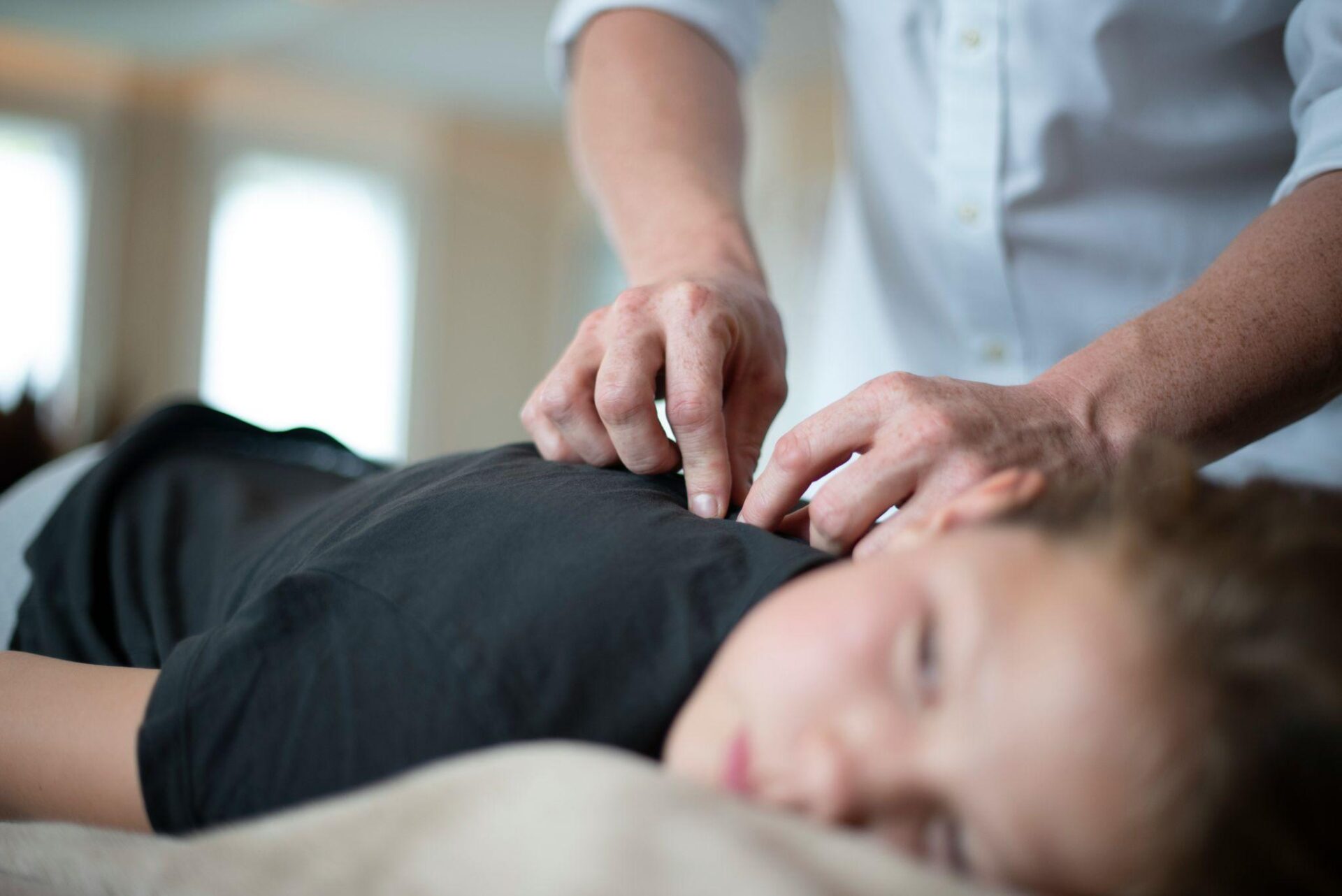
If you are living with chronic pain, a clinical massage program can be integrated into a broader pain management strategy that includes posture training, targeted exercise, lifestyle adjustments, and, where appropriate, other hands-on therapies. A well-designed clinical massage plan will begin with a thorough evaluation, in which your practitioner identifies pain patterns, movement limitations, and lifestyle factors contributing to your discomfort.
From there, sessions are tailored to your needs. Deep tissue release, myofascial techniques, trigger point work, lymphatic stimulation, and stretching can all be combined in a structured way to address chronic pain over a series of visits. Progress is monitored so that adjustments can be made to the therapy plan based on real results, not assumptions.
The Importance of Personalization, Consistency, and Patient Education
Chronic pain rarely responds to one-time interventions. Effective clinical massage is built on ongoing assessment, where techniques are adjusted based on how the body responds over time. Factors such as daily posture, occupational strain, sleep quality, hydration, and stress levels influence treatment outcomes and must be considered to achieve sustainable relief. Additionally, patient education plays a critical role.
Understanding why certain areas are treated, how pain patterns develop, and what activities may aggravate symptoms empowers individuals to participate actively in their recovery. Clinical massage practitioners often provide guidance on stretching, ergonomic habits, and self-care strategies that extend the benefits of treatment beyond the session. This combination of skilled hands-on care, informed decision-making, and consistency helps reduce flare-ups, improve long-term pain control, and support greater independence in managing chronic conditions.
A Comprehensive Path to Lasting Chronic Pain Relief
Clinical massage is an evidence-based component of chronic pain management that goes beyond the limitations of traditional relaxation massage. By targeting soft tissue dysfunction, improving circulation, reducing inflammation, and supporting neuromuscular health, clinical massage provides meaningful relief for persistent pain conditions. When integrated with complementary therapies such as chiropractic care and functional movement strategies, patients often experience lasting improvements in comfort, mobility, and overall quality of life. For those seeking comprehensive support, consistent clinical massage delivered within a structured care plan can be an essential part of a well-rounded approach to pain relief.
For individuals looking for an integrative solution, Hands-On Health Care & Chiropractic offers a comprehensive suite of therapies with clinical massage as a central element of its pain management strategy. The practice supports patients dealing with auto injuries, sports-related pain, chronic musculoskeletal discomfort, and other conditions by combining targeted massage therapy with chiropractic techniques and advanced therapeutic modalities tailored to individual needs.
If chronic pain is limiting your daily life, schedule a consultation with Hands-On Health Care & Chiropractic to explore how clinical massage can help you move, feel, and live better.